
Choosing the right solar panel size is the single most important decision in any home solar project. Get it wrong in either direction — too small and your system underperforms; too large and you've spent money you didn't need to.
Step 1 — Calculate your daily energy consumption
Start with your KPLC bill. Look at the monthly units (kWh) consumed and divide by 30 to get your daily average. For most Kenyan households, this ranges from 4 kWh/day (modest home) to 25 kWh/day (larger home with AC and appliances).
- Monthly units ÷ 30 = daily kWh consumption
- Add 20% buffer for system losses
- That figure is your daily solar generation target
Step 2 — Account for Kenya's peak sun hours
Kenya sits close to the equator, enjoying 5–6 peak sun hours per day. Nairobi averages 5.5 hours, the Coast region 6.0 hours. Formula: System size (kWp) = Daily kWh ÷ Peak sun hours.
Step 3 — Match panel count to your roof space
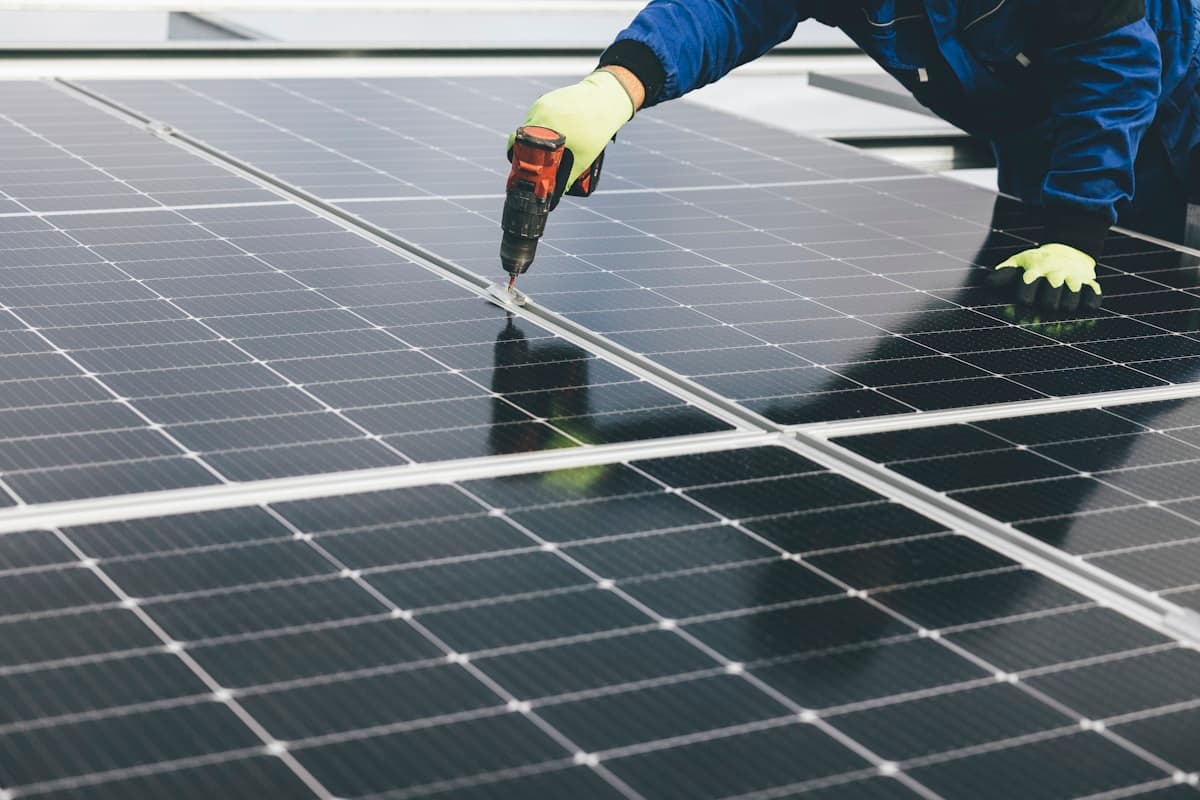
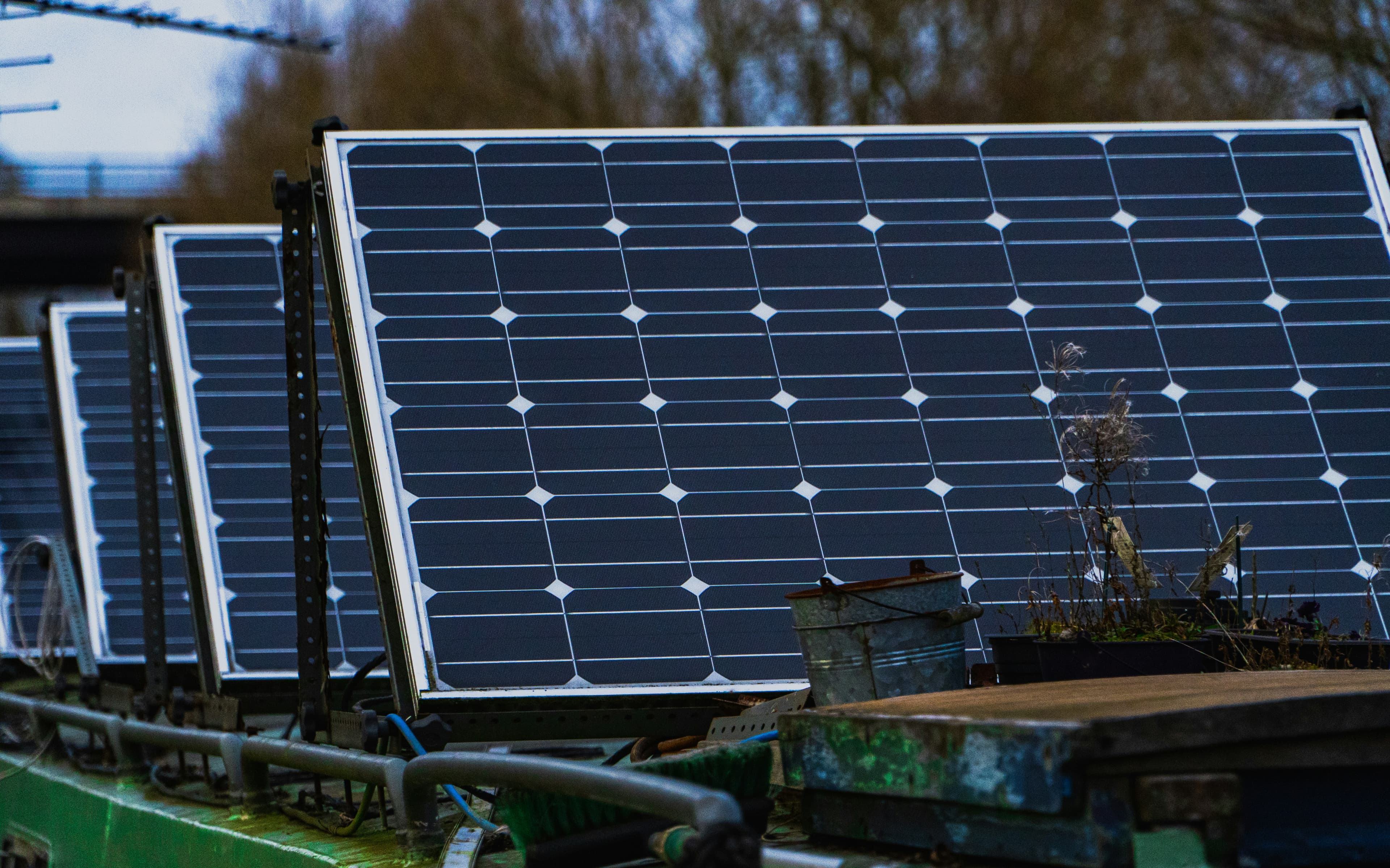
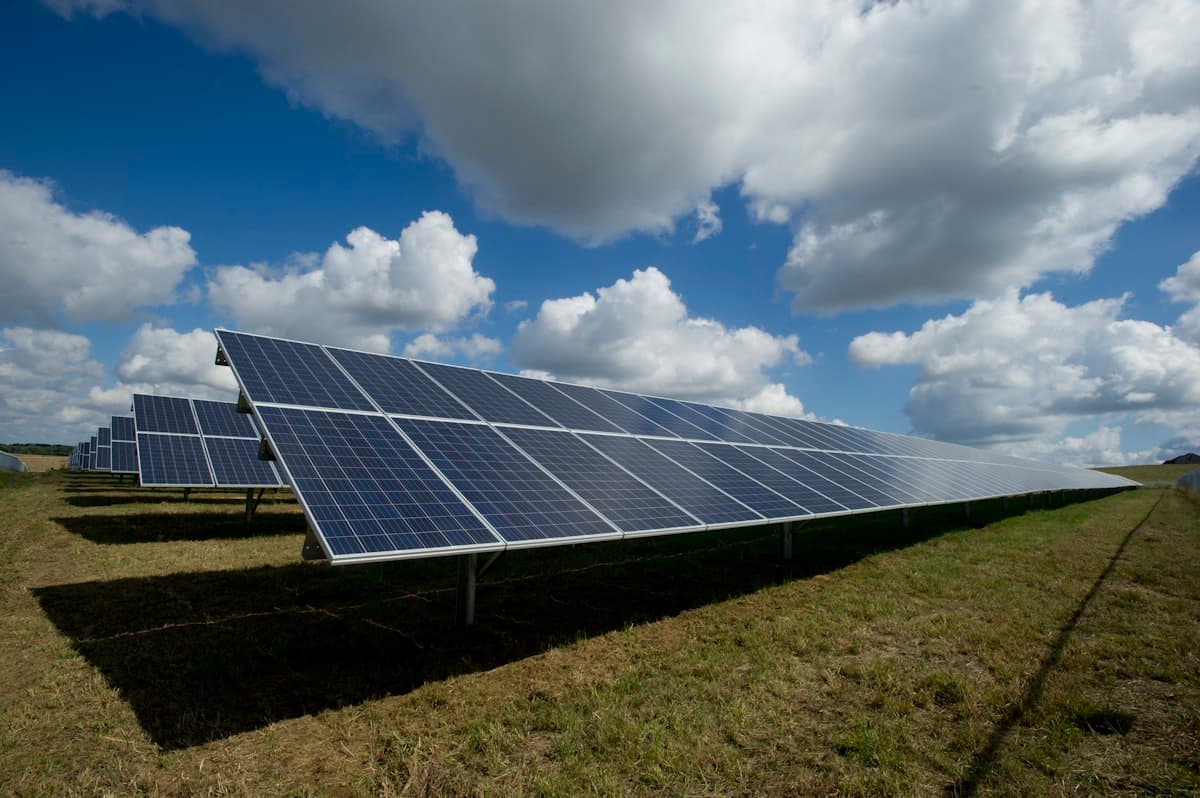
A standard 400W monocrystalline panel measures roughly 2m × 1m. A 2 kWp system needs 5 panels, requiring about 10m² of usable roof. Partial shading can drop output by 20–40%.
Common system sizes for Kenyan homes
- 1–2 kWp: Lights, fans, phone/laptop charging, small TV
- 3–5 kWp: Above + refrigerator, microwave, washing machine
- 6–10 kWp: Full home including water pump and air conditioning
- 10 kWp+: Large homes or significant business loads
Step 4 — Don't forget battery storage
Panel size and battery capacity are separate decisions. For most Kenyan homes, a battery bank sized for 6–8 hours of average load is the sweet spot. At Solarlux Kenya, every system design starts with a full energy audit — get in touch for a free consultation.